
Menu
Cavities

Why Am I Getting So Many Cavities
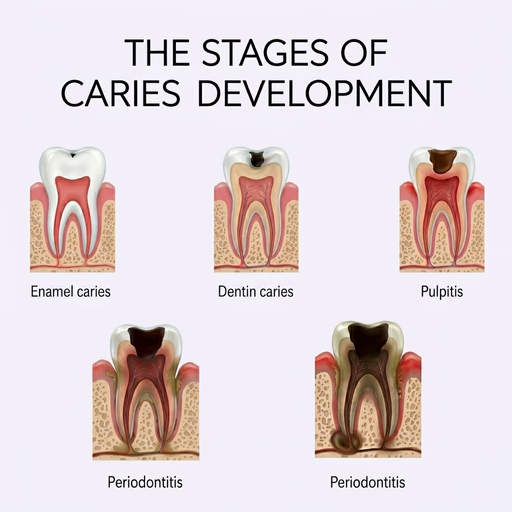
The main cause of cavities is the frequent consumption of processed sugary foods and beverages, and not brushing and flossing regularly. Simply put, a cavity is a hole. Cavities are formed by acid produced by plaque, which is the accumulation of bacteria and minerals on teeth.
Bacteria ferment and break down sugars, producing an acidic byproduct. With continuing acidity around the enamel, it erodes and breaks down the enamel forming a hole, causing permanent damage to the tooth.
Genetics
The anatomy of the tooth has grooves and pits. Some grooves and pits are deep and have shapes that trap plaque and food easily and make it difficult to clean.These areas are highly susceptible to cavities.
The enamel is the outer layer of the tooth and is the hardest and strongest material of the human body. Some people may have thinner enamel, weaker enamel, or enamel that is not formed properly, and this will leave teeth more susceptible to cavities.
Enamel is 99% inorganic material and 1% organic, while dentin is 80% inorganic and 20% organic. This is the reason we see cavities balloon in size once they reach the dentin.
Environmental
Malnutrition and diet (acidic foods and drinks), acid reflux, infectious disease, medication causing dry mouth. These factors can either weaken the tooth or promote growth of bacteria leading to cavities.
Oral hygiene
The best way to reduce cavities is by regular brushing and flossing. Depending on your situation your dentist may have recommendations that can help reduce your risk.
Frequently Asked Questions
You might be missing hidden spots like the deep grooves of your molars or between tight teeth where plaque easily accumulates. Additionally, factors like genetics, underlying medical conditions, or a naturally higher level of cavity-causing bacteria can still trigger decay.
Every time you eat carbohydrates or sugary foods, the bacteria in your mouth produce acids that attack your tooth enamel. Frequent snacking creates a continuous “acid bath,” which prevents your saliva from naturally neutralizing the acid and repairing your teeth.
Yes, saliva is your mouth’s natural defense system because it actively washes away food particles and neutralizes harmful acids. When saliva flow is reduced due to dehydration, aging, or certain medications, bacteria can thrive and accelerate enamel erosion.
Genetics can dictate the natural thickness and strength of your enamel, as well as the unique shape and alignment of your teeth. If you inherited deeper tooth grooves or weaker enamel structure, you will naturally be more vulnerable to decay.
Over time, old dental work can wear down, crack, or develop rough edges that create microscopic gaps. These tiny spaces easily trap plaque and bacteria, allowing new decay to form underneath or around the margins of the existing filling.